Turn It Up: The Hidden Pull of Casino Sound Design

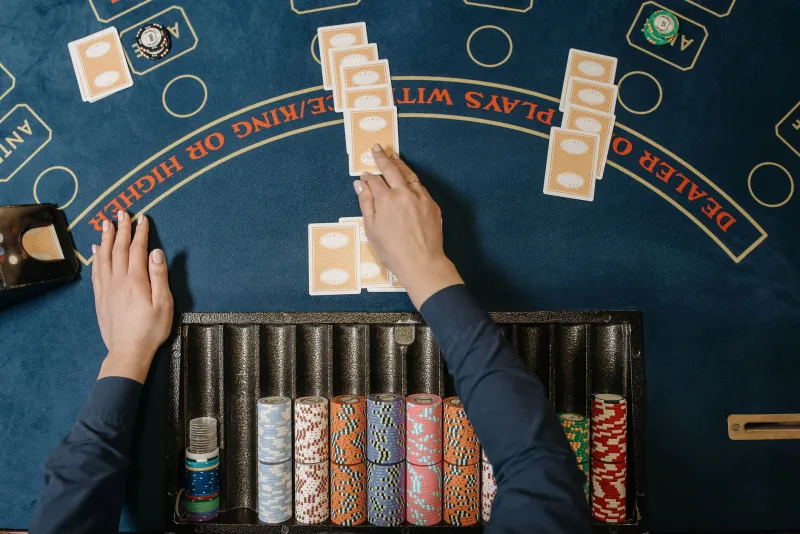
Photo: Andre Hunter dre0316, CC0, via Wikimedia Commons
The chime you didn't know you were waiting for
There is a moment in almost every online pokie when the screen does something small and the speakers do something big. A reel slows, a symbol lands just shy of the line, and a bright little chime rings out. Nothing has been won. But the sound says otherwise. For a split second, your brain treats the near miss like a near victory, and that is exactly the point.
Aussie players talk a lot about volatility, return-to-player percentages and feature triggers. We rarely talk about the soundtrack. Yet audio is one of the most deliberate parts of game design. It sets the pace, flags the drama and tells you when to lean in. It can make a quiet session feel like a backroom in Darlinghurst or a loud one feel like a night out in Surfers. And once you notice it, you cannot really un-notice it.
Sound on, brain on
Players tend to fall into two camps: the sound-on crowd and the silent spinners. The first group wants the full show. They like the reels clacking, the bonus sting, the weird little victory jingle that sounds like a 90s game show. The second group mutes everything and plays purely on visuals. Neither approach is wrong, but they do produce different sessions.
Sound-on play is more emotional. A rising pitch before a feature can lift your mood before anything has happened. A dull thud on a losing spin can make a cold streak feel colder. The audio gives you a running commentary, and that commentary can nudge your decisions. You might chase a feature because the music promised something. You might stop because the silence after a bonus felt flat. That is not weakness; it is just how human attention works.
Sound-off play is cooler and more clinical. Without the chimes, a near miss is just a near miss. Without the fanfare, a bonus is just a different screen. Some players prefer that distance. It helps them stick to a plan and ignore the theatre. The trade-off is that the game can feel flatter, and flat games are easier to abandon. For some Aussie players, that is a feature, not a bug.
Why silence sells the bonus
One of the smartest tricks in game audio is the pause. A good bonus does not begin with an explosion. It begins with a beat of quiet, then a slow build, then the payoff. That silence creates space. It makes the next sound feel bigger than it probably is.
You can see the same idea in a crowded pub when someone hits a decent win on the pokies. The machine does not just play a tune; it demands attention. Online, the effect is more intimate because the sound is coming through your headphones or laptop speakers. A sudden hush before a feature can feel like the game leaning in to whisper. It is a small piece of theatre, and it works.
The catch is that near-miss sounds are designed to keep you spinning. They are not neutral feedback. They are prompts. Knowing that does not make them powerless, but it does make them easier to read. If a chime makes you want to hit spin again, ask yourself whether you actually want to or whether the game just told you to.
Building your own soundtrack
Plenty of Aussie players already customise the vibe without realising it. They put on a podcast, a Spotify playlist or the cricket commentary in the background. That background noise can soften the game's own audio cues and give the session a different rhythm. A slow folk playlist makes a volatile game feel more relaxed. A loud house mix makes every bonus feel like a festival.
There is no rule that says you have to play with the game's sound on. The better question is what kind of session you want. If you want to be immersed, use the game audio. If you want to stay detached, mute it or layer your own soundtrack over the top. If you are on the train and do not want to be the person whose phone is chirping like a cash register, headphones are your friend.
At Wildcard City, the wildcard is the whole point. Sound is one more variable you can play with. Treat it as part of the experience rather than wallpaper. Notice when the music changes. Notice when the silence arrives. Notice how your mood shifts with it. That awareness will not guarantee a win, but it will make you a sharper reader of the game you are actually playing.
The takeaway
Audio is not just decoration. It is a mood engine, a pace-setter and a quiet nudge. Aussie players who understand that can enjoy the theatre without being ruled by it. Turn it up if you love the drama. Turn it down if you want a clearer head. Either way, listen closely. The soundtrack is telling you something.